April 23, 2026
Modern manufacturing depends on precision, efficiency, and the ability to produce strong, reliable components at scale. Across industries such as construction, transportation, energy, agriculture, and industrial equipment, metal parts play a central role in how products are built and how systems perform. That is why fabrication remains such an important part of the production process. Turning raw metal into usable parts requires a combination of planning, machinery, skilled labor, and careful technique. From simple brackets and frames to more complex assemblies, the methods used during fabrication can affect durability, accuracy, and overall product quality.
Understanding the techniques used in today’s manufacturing environment can give businesses a clearer picture of how fabricated components come together. Different projects call for different processes depending on the metal type, part geometry, production volume, and performance requirements. Some techniques focus on cutting material to exact dimensions, while others shape, join, or finish the metal so it can function properly in a final application. These methods work together to support the quality and consistency that manufacturers expect when they rely on professional metal fabrication services for modern production needs.
Cutting Raw Material With Precision
One of the most fundamental steps in fabrication is cutting raw material into the sizes and shapes needed for a specific job. Sheets, plates, bars, and tubing often arrive as larger stock pieces that must be reduced before further work can begin. In modern manufacturing, this stage may involve saws, shears, lasers, plasma systems, or waterjet machines, depending on the material and the required finish. The goal is to create clean, accurate cuts that prepare the metal for later stages without introducing unnecessary waste or distortion.
Precision at this stage matters because even small measurement problems can create issues further down the line. If a cut is off, the part may not fit properly during forming, welding, or final assembly. That is one reason manufacturers often rely on metal fabrication services that can match the cutting method to the job. A process suited for thick structural steel may not be ideal for a thinner decorative metal panel, and a part with tight tolerances may require a more controlled approach than a basic support piece. Choosing the right cutting technique helps set the tone for the rest of the project.
Forming Metal Into Functional Shapes
After raw material is cut, it often needs to be formed into a shape that matches the intended application. Forming includes processes such as bending, rolling, stamping, and pressing. These techniques allow flat or straight material to take on angles, curves, channels, and other profiles without losing its structural purpose. Modern equipment can apply pressure in a highly controlled way, helping fabricators create repeatable results across multiple parts. This is especially important in manufacturing environments where consistency is necessary from one production run to the next.
Forming is not simply about changing appearance. It also influences how a finished part performs. A bend in the right place can increase strength, support assembly, or allow a component to fit into a larger system. Rolled sections may be needed for tanks, ducts, enclosures, or architectural elements. Pressed parts may serve a function in machinery, brackets, housings, or supports. Skilled metal fabrication services understand how material thickness, grain direction, and bend radius affect the finished product, making it easier to produce parts that are both accurate and practical.
Joining Components Through Welding
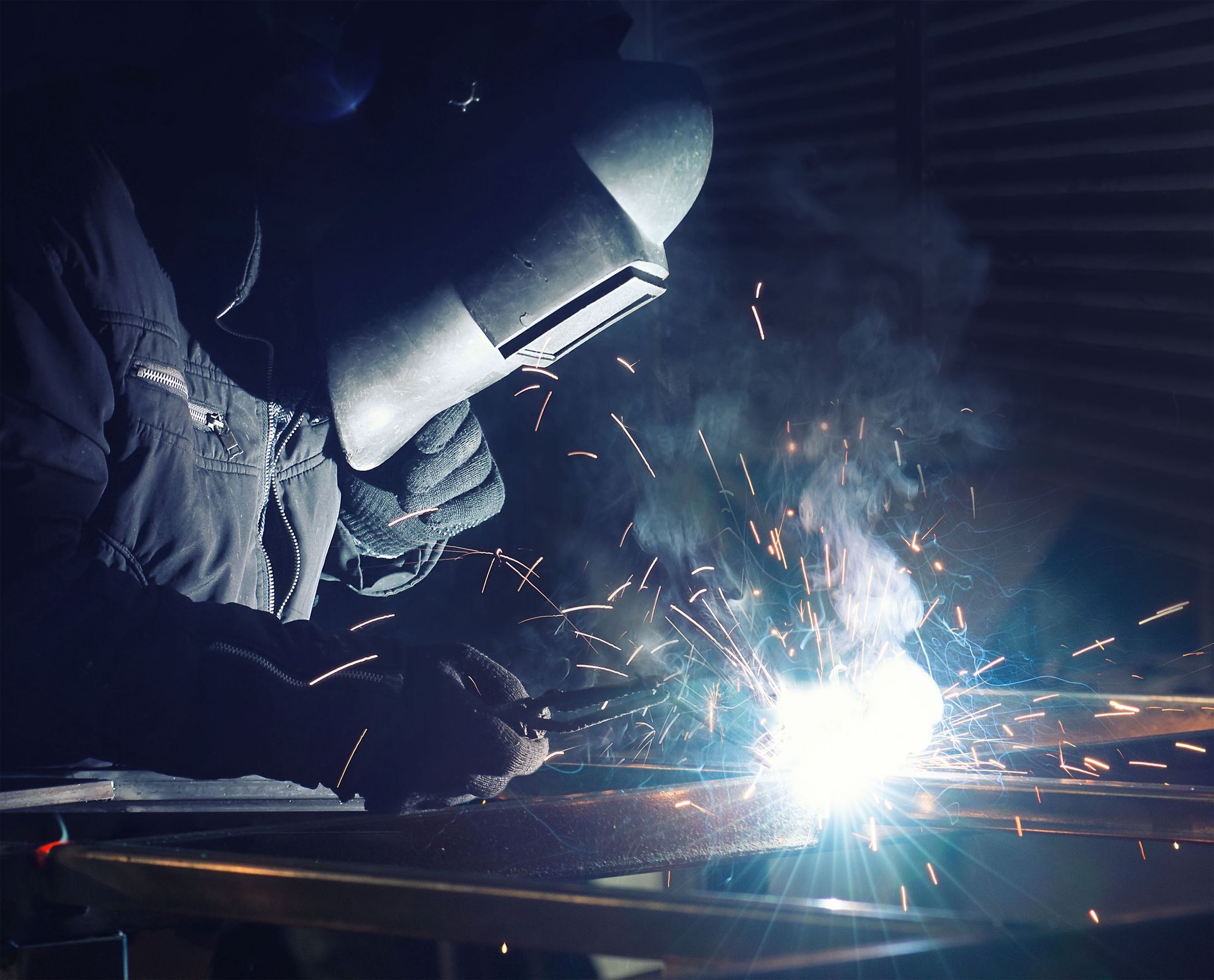
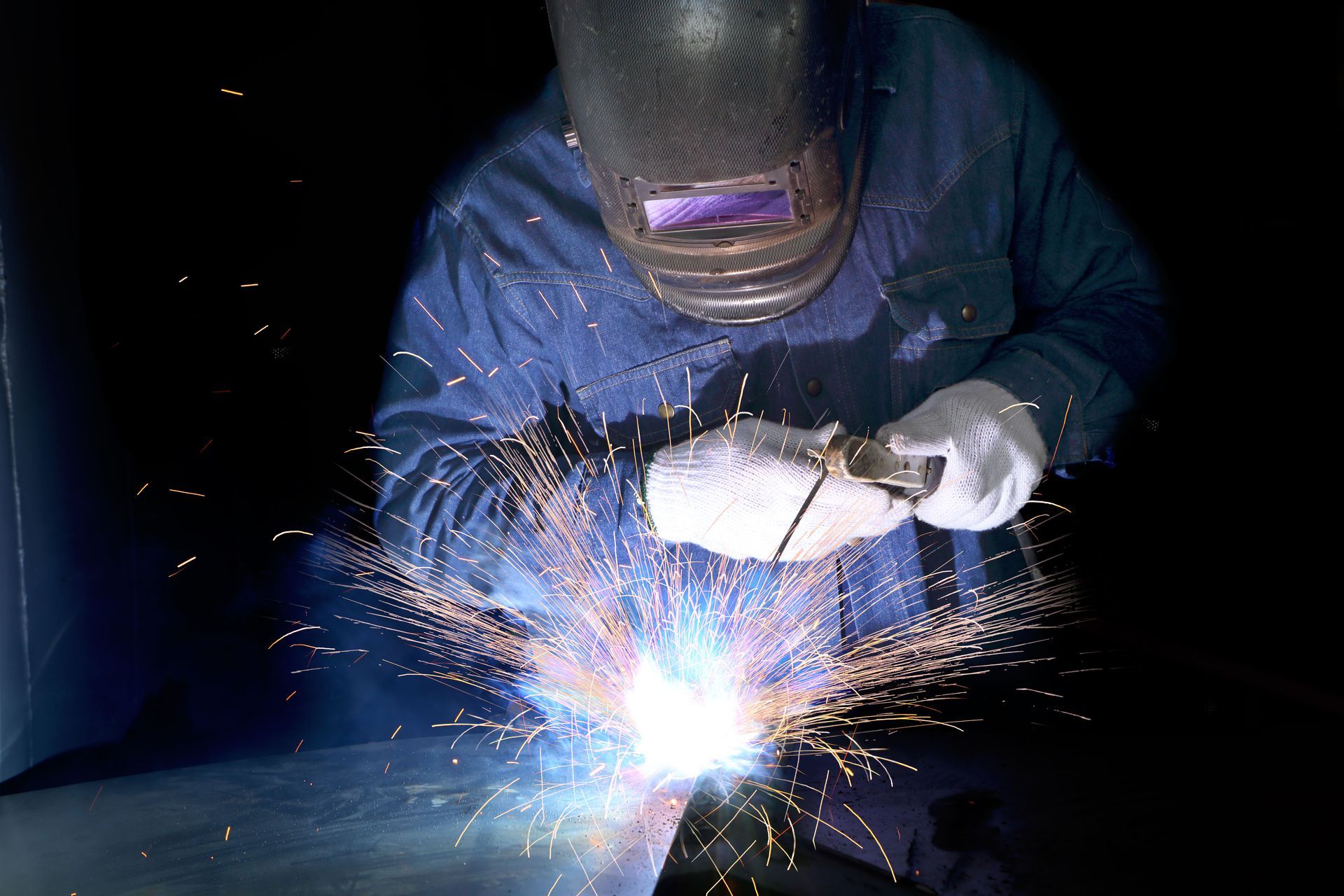
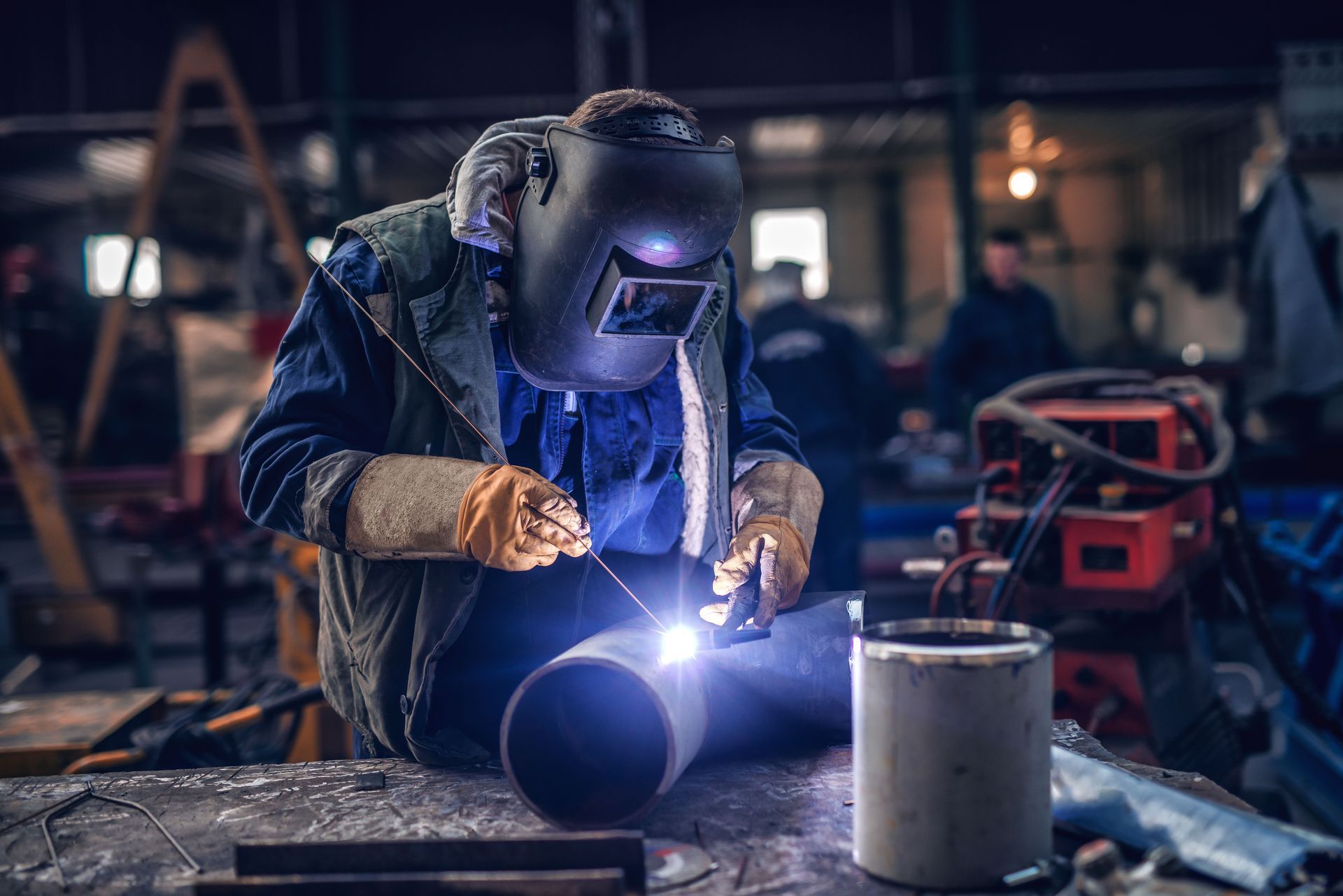
Welding remains one of the most widely used techniques in fabrication because it allows separate metal components to become a single, functional unit. In manufacturing, welded assemblies can be found in frames, supports, machinery, guardrails, platforms, and countless other products. Different welding methods may be used depending on the metal, part thickness, and production goals. MIG, TIG, and stick welding are all common examples, and each offers different advantages based on the type of work being performed.
The quality of the weld can affect both appearance and performance, which is why technique matters so much. A weak weld can compromise structural integrity, while an inconsistent weld may create fit or finishing problems. In modern manufacturing, welding often involves a balance between strength, speed, and accuracy. According to the U.S. Department of Commerce, metal fabrication ranks as the third-largest sector within U.S. manufacturing. That scale reflects how important reliable joining methods are across industries that depend on fabricated metal parts every day.
Machining Details for Better Accuracy
Some fabricated parts require a level of detail that goes beyond cutting and forming alone. That is where machining comes in. Machining can include drilling, tapping, milling, turning, and other methods used to create holes, threads, slots, or highly specific dimensions. These details are often necessary when components must connect with hardware, align with other parts, or meet strict design specifications. In many manufacturing settings, machining supports the finer measurements that allow a fabricated part to function exactly as intended.
This stage is especially important when tolerances are tight or when the part must integrate with moving systems or complex assemblies. A bracket may need precise hole placement, a plate may require clean edge finishing, or a custom part may need multiple machined features before it is ready for installation. Metal fabrication services that include machining can often provide a more complete production process, helping manufacturers avoid unnecessary delays between separate vendors. By combining fabrication with detail-oriented finishing work, shops can create parts that are ready for assembly and use.
Finishing Surfaces for Performance
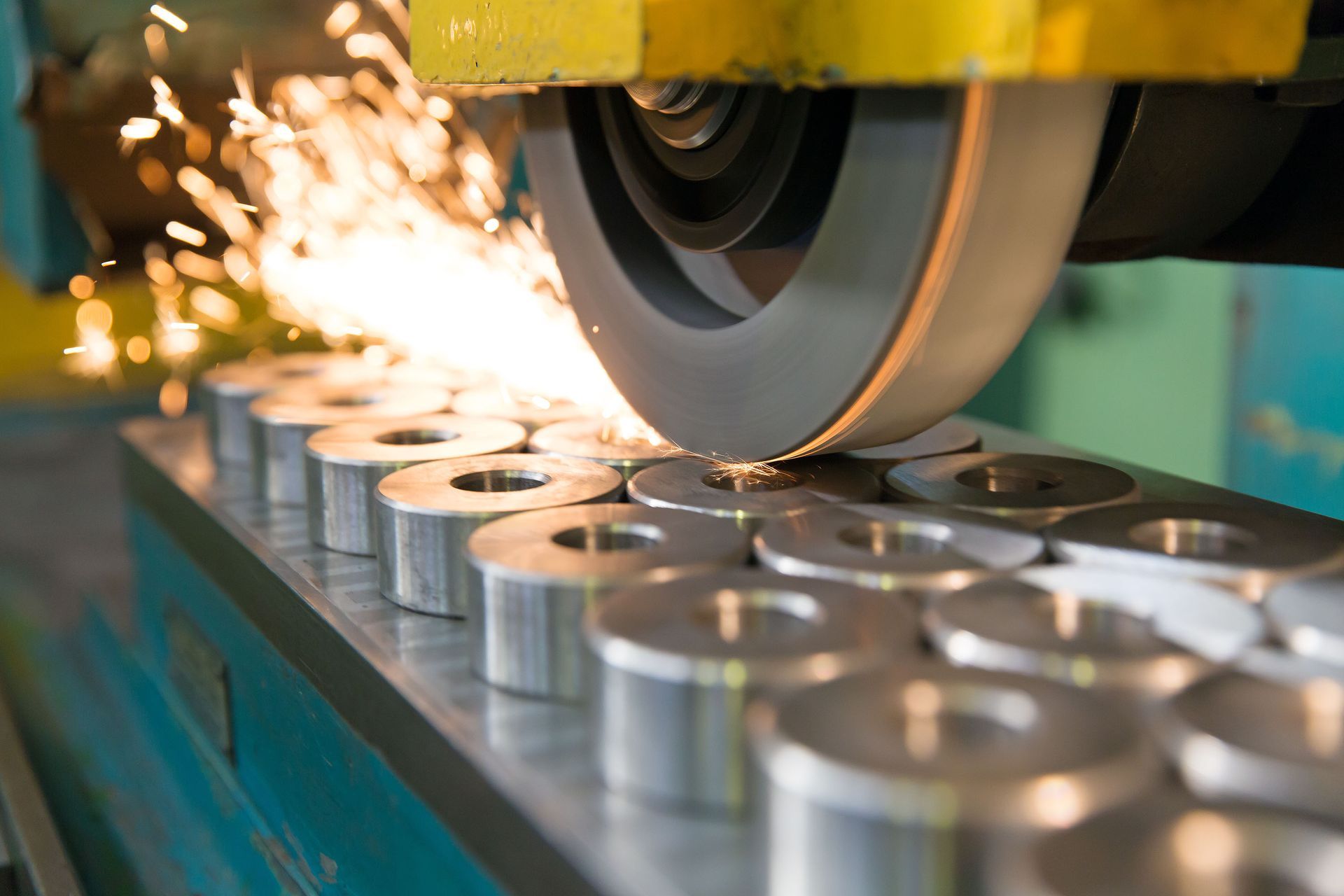
Once parts have been cut, formed, joined, and machined, the surface may still need additional treatment before the project is complete. Finishing techniques help improve appearance, protect the metal, and prepare it for its final environment. This stage can include grinding, sanding, deburring, polishing, coating, or painting, depending on the requirements of the job. Some finishes are mainly cosmetic, while others are intended to improve corrosion resistance, reduce wear, or create a cleaner interface for the end user.
Surface finishing can also have a practical effect on safety and usability. Sharp edges may need to be smoothed, weld areas may need cleanup, and visible components may require a more polished presentation. In manufacturing, finishing helps bring uniformity to the final product and can support longer service life in demanding conditions. When businesses work with metal fabrication services that address both structural work and surface quality, the result is often a part that performs well and looks more complete when it reaches its final application.
Adapting Techniques to Project Demands
No single fabrication method works for every job, which is why flexibility is such an important part of modern manufacturing. One project may call for heavy structural pieces with basic finishing, while another may require thin-gauge metal, tight tolerances, and a polished appearance. Material type also changes the approach. Stainless steel, aluminum, carbon steel, and specialty alloys each respond differently to cutting, forming, and welding. Fabricators must account for those differences when deciding how to move a job from raw material to finished component.
This ability to adapt is one of the biggest strengths of experienced metal fabrication services. Instead of treating every project the same way, skilled fabricators evaluate the design, intended use, and production goals before choosing the most effective process. That may involve combining multiple techniques in one job or adjusting the workflow to support a specific deadline, budget, or performance target. In modern manufacturing, success often depends on that kind of adaptability because the final product must do more than exist on paper. It has to work in the real world, fit into a larger system, and hold up over time.
Metal fabrication services remain a core part of modern manufacturing because they turn raw materials into useful, dependable components through a range of specialized techniques. Cutting, forming, welding, machining, finishing, and automation each play a different role, but all of them contribute to the quality and performance of the final product. When these methods are applied thoughtfully, manufacturers can move forward with parts that meet functional demands, support efficient assembly, and reflect careful workmanship. If your business needs dependable fabrication support for modern manufacturing projects, contact Jackson Specialties to learn more about your options.