February 27, 2026
Metal fabrication serves as the backbone of modern manufacturing and construction, transforming raw metals into functional, durable, and often highly intricate components. Through processes such as cutting, bending, welding, and assembling, metal fabrication enables the creation of everything from skyscraper frameworks to precision electronics. Its importance stretches across industries, including automotive, aerospace, renewable energy, and consumer products. As technology advances, so too does the demand for more efficient, precise, and sustainable metal fabrication processes. Understanding this field reveals not only the ingenuity behind modern engineering but also the critical role fabricators play in shaping the built world and driving technological innovation.
Exploring the Fundamentals of Metal Fabrication
At its core, metal fabrication involves reshaping and assembling metals to meet specific functional requirements. Common materials include steel, valued for its strength; aluminum, prized for its lightweight durability; and copper, known for its conductivity in electrical applications. Alloyed metals, such as stainless steel, offer additional benefits like corrosion resistance. The choice of material directly affects the performance, longevity, and cost of the final product.
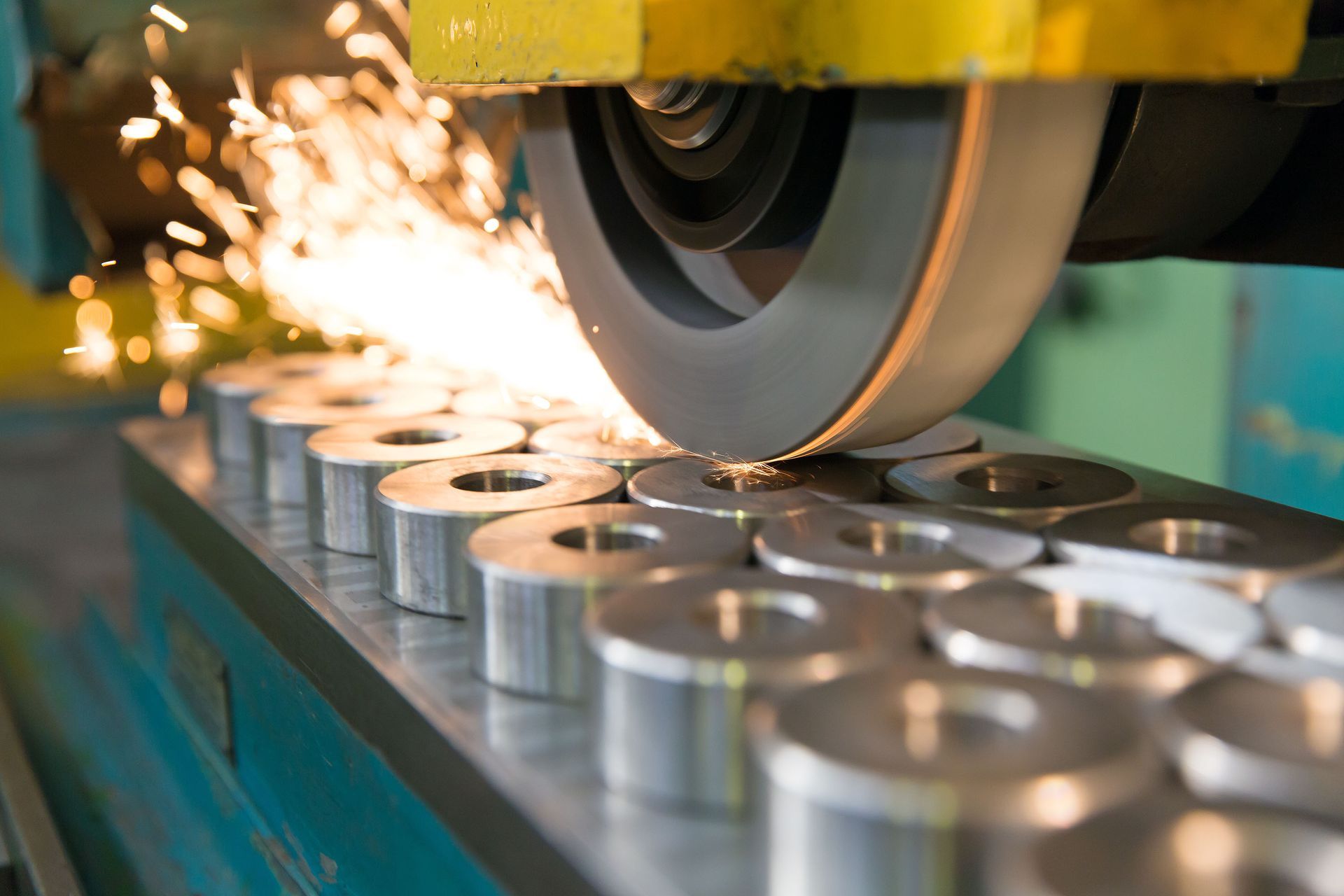
Historically, metal fabrication dates back thousands of years. According to Mavin Industries, the earliest forms of metal fabrication are thought to stem from around 4000 BC. Early humans discovered methods to smelt ore into malleable metals, setting the stage for techniques like blacksmithing and primitive casting. Over centuries, these methods evolved into highly sophisticated industrial processes, reflecting society’s growing reliance on fabricated metal components. Modern metal fabrication encompasses a variety of techniques, including welding, casting, machining, and forming, each tailored to project specifications. Fabricators rely on both traditional hand tools and advanced machinery such as CNC machines, plasma cutters, and hydraulic presses to achieve precision and efficiency. Mastery of these tools ensures that each component meets rigorous standards and contributes to the overall functionality of the finished product.
Understanding the Metal Fabrication Process
The metal fabrication process begins with design and planning, where engineers and designers collaborate to develop detailed blueprints and schematics. Computer-aided design (CAD) software allows teams to create accurate 3D models, visualize assemblies, and identify potential design flaws before production. Selecting the right materials, estimating costs, and outlining production steps are also essential elements of this stage. Effective planning minimizes errors, reduces waste, and streamlines production, ensuring that projects stay on schedule and within budget.
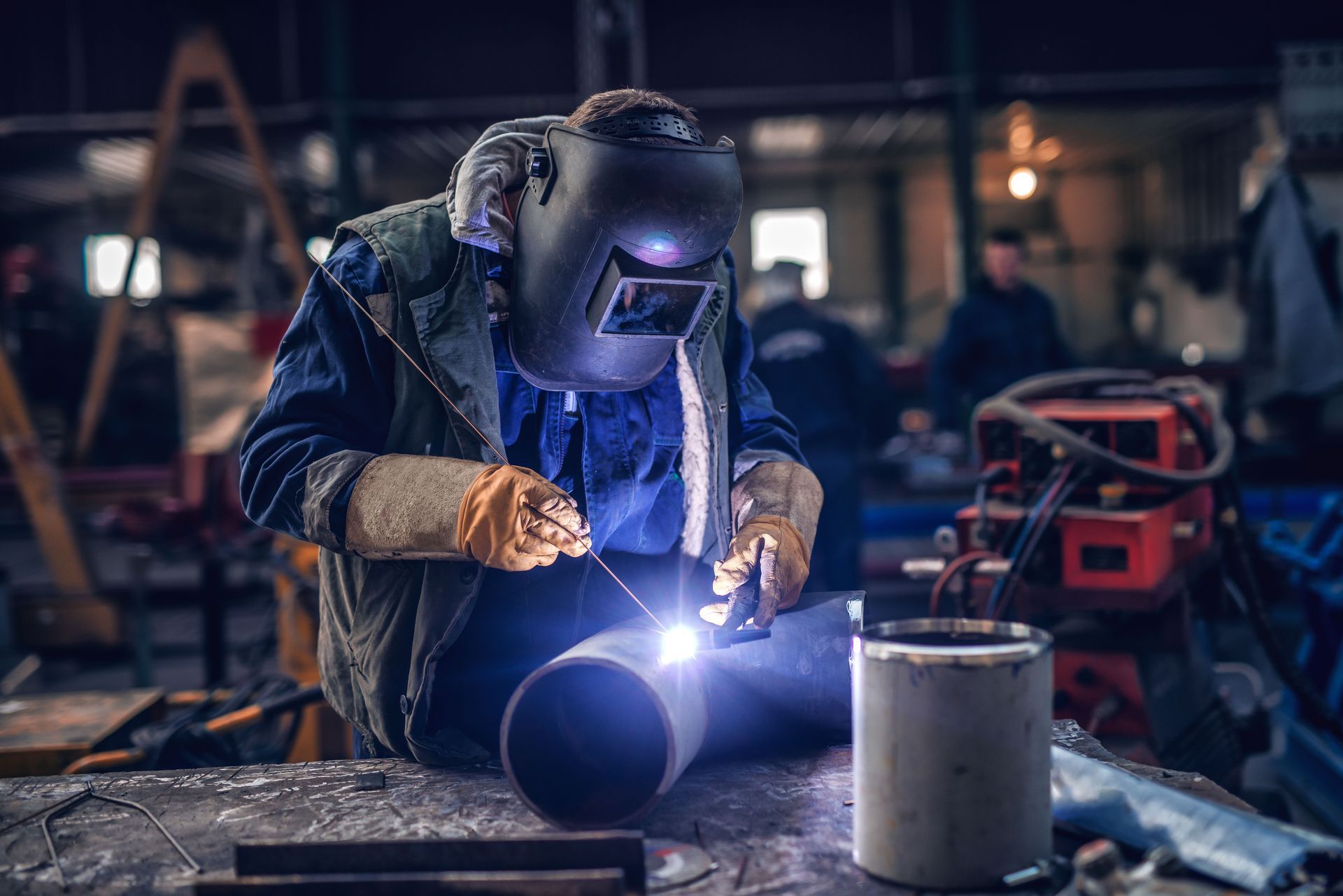
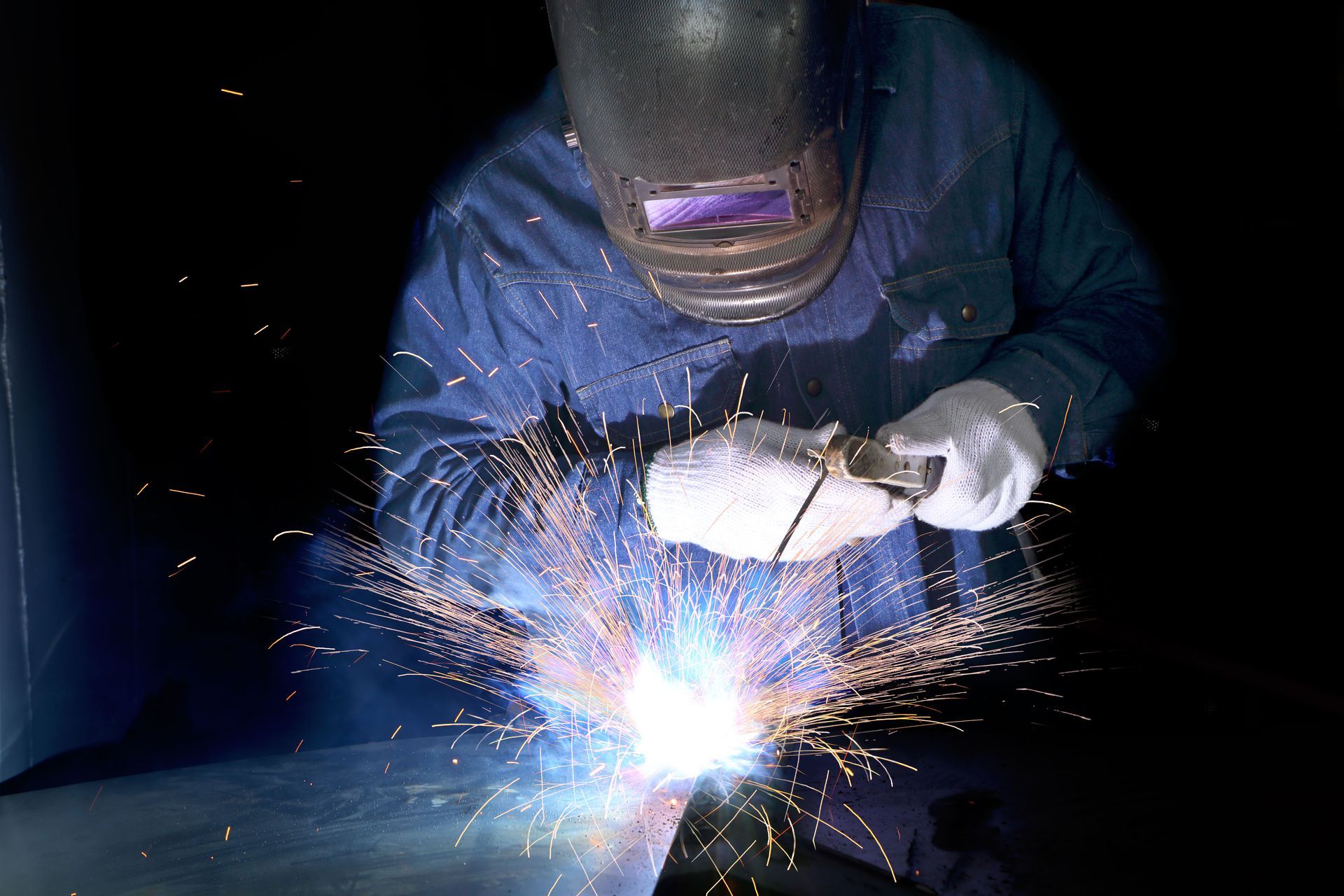
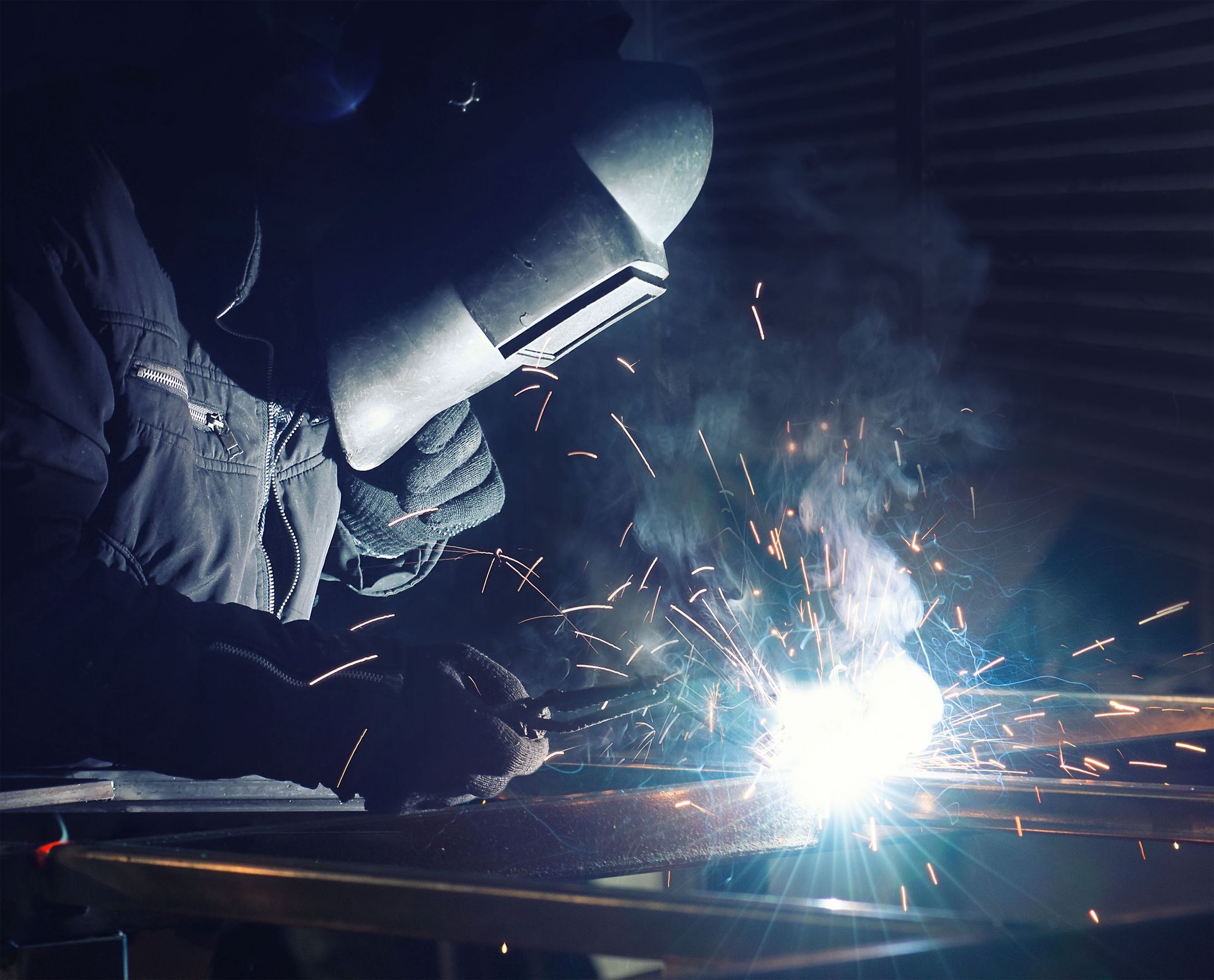
Following the design phase, prototype development allows fabricators to test and refine components. Prototypes can be full-scale or scaled-down versions of the final product, enabling engineers to assess functionality and performance. During fabrication, raw materials are cut, shaped, and assembled into components that meet precise specifications. Welding, riveting, and fastening join parts securely, while quality control checks ensure structural integrity. Non-destructive testing methods such as ultrasonic and x-ray inspections are commonly used to confirm the reliability and safety of components. The process concludes with finishing techniques like polishing, painting, or coating, enhancing both durability and aesthetic appeal. Every step, from initial design to final assembly, relies on careful execution to achieve high-quality results in metal fabrication.
Applications of Metal Fabrication Across Industries
Metal fabrication touches nearly every sector of modern industry. In construction, fabricated steel frameworks provide the strength needed for skyscrapers, bridges, and other critical infrastructure. Stainless steel elements are frequently used for exterior facades, offering corrosion resistance and modern visual appeal. Reinforced metal components also play a crucial role in tunnels, transportation hubs, and industrial facilities, ensuring safety and longevity.
The automotive industry depends heavily on metal fabrication to produce engine components, frames, transmissions, and suspensions. Fabricated sheet metal forms body panels with precision, allowing manufacturers to balance strength, weight, and design flexibility. In aerospace and aviation, lightweight yet strong metals like aluminum and titanium are fabricated into critical parts that ensure safety, efficiency, and compliance with strict regulatory standards. Consumer electronics rely on precision metal fabrication to create casings, connectors, and intricate internal components, while renewable energy applications—such as wind turbines and solar arrays—require durable metal structures capable of withstanding harsh environmental conditions. Across all these sectors, metal fabrication is essential for combining durability, efficiency, and innovation in product development.
Technological Advancements Shaping Metal Fabrication
The evolution of metal fabrication has been accelerated by technological innovation. Automation and robotics are transforming traditional workflows, enabling repetitive and complex tasks to be completed with unparalleled precision and efficiency. Robotic systems also reduce risks associated with manual handling of heavy or dangerous equipment, improving workplace safety.
Computer-aided design and simulation tools allow engineers to visualize projects in three dimensions, optimize component layouts, and predict potential performance issues before fabrication begins. Additive manufacturing, commonly known as 3D printing, introduces new possibilities for creating complex or customized components layer by layer, reducing material waste and enabling rapid prototyping. Advances in metallurgy, including high-entropy alloys and nano-engineered materials, enhance strength, durability, and corrosion resistance, expanding the possibilities for applications in demanding industries. Additionally, sustainable practices, such as recycling scrap metal, implementing energy-efficient machinery, and sourcing eco-friendly materials, demonstrate the growing emphasis on reducing the environmental footprint of metal fabrication operations.
Challenges Facing the Metal Fabrication Industry
Despite advancements, the metal fabrication industry faces several persistent challenges. Volatile material costs and inconsistent supply chains can disrupt production schedules and increase project expenses. Fabricators often need to adopt strategic sourcing and inventory management practices to mitigate these risks while exploring alternative materials and recycling options.
A shortage of skilled labor is another pressing concern. Demand for experienced technicians, welders, and engineers continues to grow, making recruitment and retention a challenge. Educational programs and industry partnerships play a vital role in training the next generation of fabricators. Integrating new technologies can also present hurdles, as companies invest in automation, CAD systems, and other innovations while training personnel to adapt to changing workflows. Maintaining safety and regulatory compliance is essential, as hazards remain prevalent in fabrication environments. Companies must regularly update training programs, conduct safety audits, and implement protective measures to safeguard employees and operations. Finally, market competition and shifting demand require fabricators to remain agile, innovate consistently, and maintain operational efficiency to stay competitive.
Looking Ahead toThe Future of Metal Fabrication
The future of metal fabrication is poised for transformative growth, driven by technological advancements, sustainability initiatives, and global market dynamics. Automation, additive manufacturing, and advanced simulation tools will enable faster, more accurate, and flexible production. The demand for sustainable solutions is encouraging the adoption of eco-friendly processes, from energy-efficient machinery to recycled materials, aligning fabrication with environmental priorities.
Globalization is reshaping supply chains, requiring companies to manage international production networks efficiently while mitigating risk. Policy initiatives, industry collaborations, and partnerships with research institutions foster innovation, standardization, and workforce development. As fabrication processes become more technologically advanced, the workforce will need continuous upskilling in areas like digital design, robotics, and materials science. Investing in talent development ensures the industry remains capable of meeting evolving demands while driving innovation. By embracing these trends, the metal fabrication industry is positioned to deliver cutting-edge solutions, meet global challenges, and continue its pivotal role in modern manufacturing and construction.
Metal fabrication remains a cornerstone of modern industrial development, supporting industries ranging from construction and automotive manufacturing to aerospace, electronics, and renewable energy. Today, innovations in automation, metallurgy, and digital design continue to expand the possibilities of fabricated metals. The industry faces challenges including labor shortages, material costs, and technological integration, but these are offset by opportunities for growth, efficiency, and sustainability. By prioritizing workforce development, advanced techniques, and eco-friendly practices, companies can ensure that metal fabrication continues to drive industrial progress. For reliable, precise, and high-quality metal fabrication solutions, trust Jackson Specialties to deliver expertise that meets the demands of today and tomorrow.