October 29, 2026
Top-tier metal fabrication services play an indispensable role in reinforcing and driving the development of modern infrastructure. These services encompass a broad range of processes that transform raw metals into components and products critical to construction and manufacturing. With the ever-growing demand for resilient infrastructure, metal fabrication has become central to projects, affecting economics, design, and sustainability. As urban spaces and industries expand, the need for precision and innovation in metal fabrication continues to increase. This article delves into the multifaceted role that this vital industry plays in propelling infrastructure forward.
The Importance of Metal Fabrication in Infrastructure
Metal fabrication has been a cornerstone of construction and industry for centuries, with origins traced back to early blacksmithing techniques. Early civilizations applied rudimentary methods to shape and manipulate metals for tools, weapons, and structures. As technology advanced, so did metal fabrication methods, transforming from artisanal craft to industrial-strength processes. The Industrial Revolution marked a significant shift, where mechanization allowed mass production and widespread application. Metal fabrication's evolution has continued to adapt to modern times, now pivotal in the technological and infrastructural advancements we see today.
Various metals, each with unique properties, are used strategically in infrastructure projects. Steel, known for its strength and versatility, is heavily relied upon for construction frameworks, bridges, and reinforcements. Aluminum's lightweight nature makes it ideal for applications in aircraft, high-rise buildings, and rail systems. Copper's conductivity properties are essential for electrical components and wiring in buildings. Stainless steel, with its resistance to corrosion, is frequently used in environments exposed to the elements or in need of hygiene, such as food processing plants.
Infrastructure projects require an array of fabricated components to meet specific structural and functional needs. Beams and trusses form the skeleton of buildings and bridges, providing necessary support and load distribution. Metal panels and sheets serve as cladding and roofing materials, offering protection and aesthetic appeal. Pipes and ducts are critical for mechanical systems, ensuring efficient transport of fluids and ventilation. Custom metal parts are often manufactured for specialized machinery and equipment, enabling precision and performance. Each component is crafted with quality and durability in mind, supporting long-term infrastructure viability.
Metal fabrication significantly influences economic growth and stability, particularly in the U.S. manufacturing sector. According to the U.S. Department of Commerce, it stands as the third-largest industry within this sector, underscoring its economic importance. The industry generates employment opportunities, contributing to job creation in skilled fabrication and ancillary roles across the supply chain. Infrastructure projects fueled by metal fabrication drive investments, stimulate local economies, and enhance public services and utilities. Moreover, exports of fabricated metal products bolster trade balances and support international business relationships.
Technological Advancements in Metal Fabrication
Computer-Aided Design (CAD) has revolutionized the metal fabrication industry, providing precise visualization and planning tools. CAD software allows engineers to create detailed blueprints, facilitating error-free design from concept to production. The use of CAD ensures that fabricators can achieve intricate specifications with high accuracy, minimizing material wastage and costs. It also enables simulations of metal behavior under stress, optimizing the structural integrity of fabricated components. As a digital tool, CAD supports seamless integration into automated manufacturing processes, driving efficiency and innovation in metal fabrication.
Automation and robotics have become game changers in the realm of metal fabrication, augmenting productivity and precision. Automated systems handle repetitive tasks with consistency, reducing human error and labor costs while boosting output. Robotics, equipped with advanced sensors and AI, perform complex fabrications with remarkable accuracy and speed. These technologies enable fabricators to meet increasing demand while maintaining high-quality standards. The adoption of automation and robotics represents a shift towards smart manufacturing systems capable of rapid adaptation and innovative production strategies.
3D printing has emerged as a groundbreaking innovation in metal fabrication, offering unprecedented design flexibility and customization. By adding material layer by layer, 3D printing can produce complex geometries unachievable through traditional methods. This technology is particularly advantageous for prototyping and creating parts for bespoke applications, where conventional methods would incur significant tooling costs. It also supports sustainable manufacturing through reduced waste and material consumption. As 3D printing materials and techniques advance, its role in the metal fabrication landscape will continue to expand, fostering a new era of creativity and sustainability.
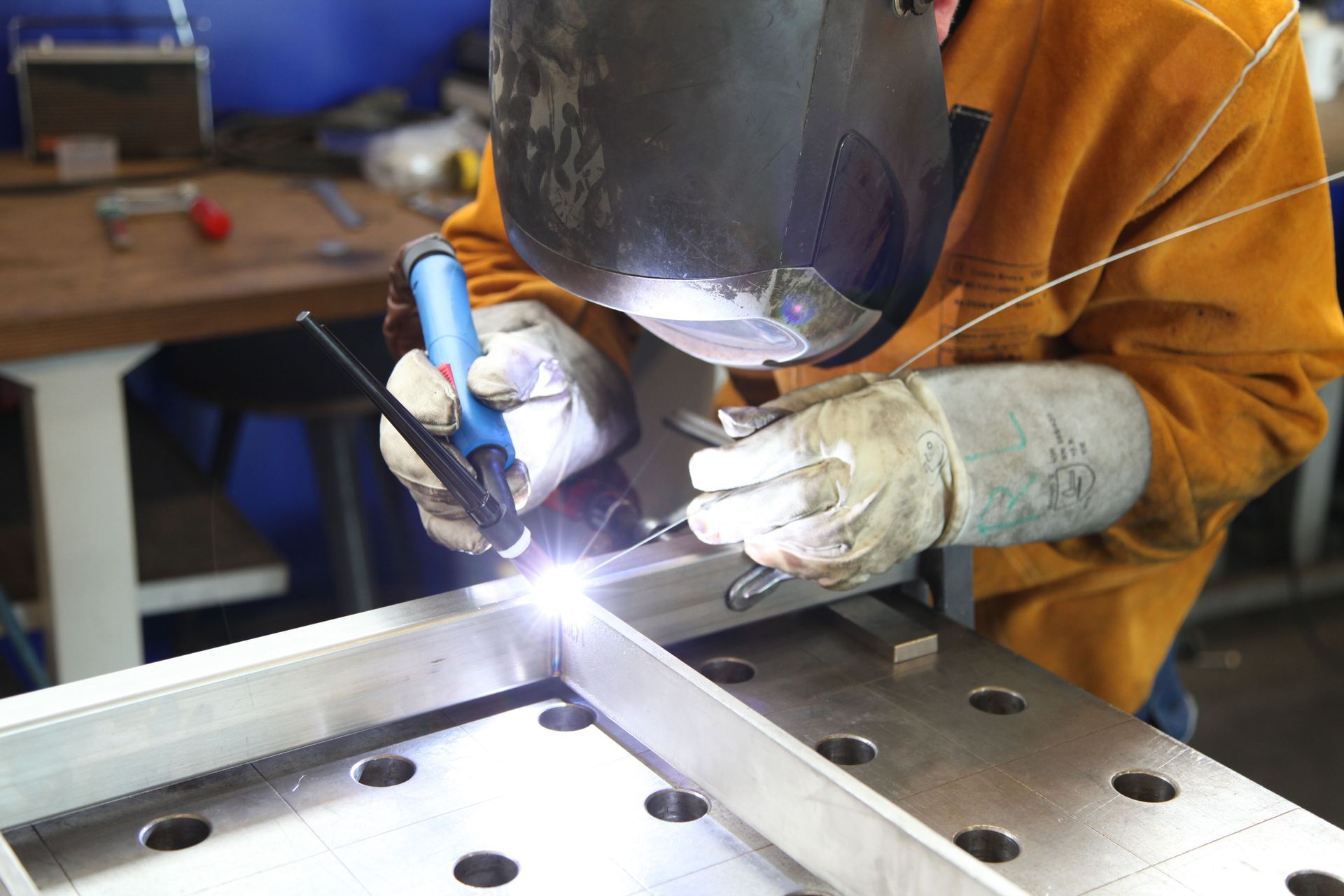
Advanced welding technologies have substantially elevated the quality and reliability of metal fabrication processes. Methods such as laser welding offer precise, high-speed welding capabilities suitable for thin materials and sensitive components. Friction stir welding provides strong, defect-free joints, crucial for applications in transportation and aerospace that demand safety and durability. These advanced techniques reduce welding defects and rework, saving time and material costs. Additionally, innovations in welding automation enhance process control and consistency, supporting the fabrication of complex, high-performance assemblies essential for modern infrastructure.
Key Challenges in Metal Fabrication for Infrastructure
One of the significant challenges in metal fabrication is managing the supply chain for raw materials, which is susceptible to price volatility and availability fluctuations. Global market dynamics and geopolitical issues can disrupt supply chains, impacting production timelines and costs. Fabricators must establish reliable partnerships with suppliers and adapt to alternative sources to mitigate risks. Strategic inventory management and forward contracts can also help stabilize material costs and maintain continuity in fabrication projects. Addressing supply chain challenges is essential to sustaining competitive operations in the metal fabrication industry.
Stringent environmental regulations pose both challenges and opportunities for innovation in metal fabrication. Compliance with standards regarding emissions, waste disposal, and resource use necessitates investment in cleaner technologies and practices. Sustainable manufacturing approaches, such as recycling and energy efficiency, are becoming essential to remaining competitive in this regulatory landscape. Leveraging green practices can also enhance brand reputation and open up new markets focused on eco-friendly infrastructure. Balancing compliance with economic viability presents ongoing challenges, urging fabricators to continuously improve operations and adopt sustainable business models.
The metal fabrication industry faces a shortage of skilled workers, a challenge exacerbated by increasing automation and technological advancements. As experienced fabricators retire, the industry struggles to attract and adequately train new talent for specialized roles. Educational programs and apprenticeships in metalworking and manufacturing are crucial to bridging this gap. Companies must invest in workforce development, offering training in cutting-edge technologies to prepare employees for evolving fabrication demands. Addressing the skills shortage is vital for sustaining growth and maintaining high standards in infrastructure development.
Case Studies of Infrastructure Projects Powered by Metal Fabrication
Iconic bridge projects demonstrate the critical role of metal fabrication in achieving architectural and engineering marvels. The use of steel and advanced alloys provides the strength required to support long spans and dynamic loads. Fabricated components like cables, girders, and trusses are meticulously designed to withstand environmental stresses and traffic demands. Projects like the Golden Gate Bridge and the Millau Viaduct showcase innovation in design and fabrication, serving as testaments to engineering prowess. These structures not only facilitate transportation but also symbolize the ingenuity of metal fabrication in infrastructure.
Metal fabrication services are foundational in the construction of modern skyscrapers, facilitating the rising urban landscapes of major cities. Steel frameworks form the backbone of high-rise structures, providing stability and flexibility against wind and seismic forces. Pre-fabricated steel components enable rapid and precise assembly, reducing construction time and costs. The integration of advanced materials, such as high-strength and lightweight alloys, pushes the boundaries of design and construction height. Notable skyscrapers like the Burj Khalifa and Shanghai Tower exemplify how metal fabrication supports vertical urban expansion and complex architectural design.
Metal fabrication services continue to play a vital role in shaping modern infrastructure, providing the strength, durability, and versatility needed for construction and industrial development. From bridges and skyscrapers to energy facilities, top-tier metal fabrication services contribute to the success and longevity of essential structures. As technology advances and the industry addresses challenges related to sustainability, workforce development, and material availability, metal fabrication will remain a driving force behind infrastructure innovation. By embracing modern techniques and prioritizing quality, the industry can continue to meet the evolving demands of communities and businesses worldwide. For professional
metal fabrication services you can rely on, contact Jackson Specialties today.