August 31, 2026
Metal has played a vital role in shaping human history throughout the ages. From basic hand tools to heavy structural components, metal elements help make daily life easier and more efficient for everyone. Custom metal fabrication has played a major role in creating the practical tools and sturdy structures that individuals and businesses rely on every single day. Understanding how craftspeople learned to manipulate raw materials over time gives us a deep appreciation for the skills and processes used in quality workshops today.
In early historical periods, metalworkers relied entirely on basic hand tools and simple heat sources like open fires. Craftspeople spent long hours manually hammering heated metal into simple items for daily use. As communities grew larger, the need for sturdy tools expanded significantly across every settlement.
Artisans began experimenting with higher temperatures to make tough materials easier to bend and shape. This hands-on work required immense patience, focus, and skill as workers learned how different materials responded to pressure. Over time, these foundational crafting methods opened doors for incredible progress across construction, trade, and manufacturing.
Tracing Early Crafting Progress
According to Mavin Industries, early forms of metal fabrication started way back around 4000 BC when human communities began manipulating raw metals for basic utility. Early craftspeople discovered that applying heat directly to raw material made it far easier to shape into functional tools and equipment.
Hammering softer elements gave early workers the ability to craft basic containers, practical implements, and useful cutting tools for their communities.
As skills improved over time, artisans shared their methods along busy trading routes. This ongoing exchange of practical knowledge helped neighboring regions develop better equipment for farming and building homes. Working with metal was not merely a simple trade; it became a core driver of community development. Craftspeople who mastered these early techniques provided essential items that helped their towns expand, trade, and prosper over the years.
Discovering Key Material Changes
Over generations, metalworkers discovered that combining different metals produced stronger and far more durable products. Blending copper with other natural elements created sturdy alloys that held sharp edges much longer than pure soft metals. This breakthrough allowed artisans to craft far superior implements for farming and construction work across every town.
The introduction of tougher materials changed how communities built shelters and harvested their crops. Sturdier tools meant that daily chores could be finished much faster with far less physical strain on workers. Artisans could also craft lighter items without giving up structural strength. This development set new standards for quality craftsmanship that influenced builders for generations.
Moving Into Industrial Manufacturing
As populations grew rapidly, the demand for metal products expanded far beyond what small family workshops could produce by hand. Craftspeople needed practical ways to create larger quantities of items while keeping quality consistent across every batch. As small workshops transformed into larger production centers, the scope of metal fabrication expanded dramatically to meet rising demand across many growing industries.
This major shift brought dedicated machinery directly onto shop floors, replacing manual hand hammering with mechanical power. Powered tools allowed workers to shape thicker sheets of metal with far greater consistency and speed. Workshop owners reorganized their layouts so projects could move smoothly from worker to worker, establishing organized workflows that saved valuable time and energy.
Streamlining Production Methods
The arrival of organized production environments changed how goods were made forever. Instead of a single craftsperson building an item from start to finish, workers began specializing in specific stages of creation. A dedicated team might focus strictly on cutting raw sheet metal, while another team focused on bending, forming, or assembling pieces.
This approach reduced overall production time and enabled shops to produce uniform parts reliably. Standardized parts meant that individual components could be replaced easily whenever wear occurred over time. Businesses could count on consistent quality across large orders, helping key industries grow rapidly across the entire region.
Enhancing Precision Machinery
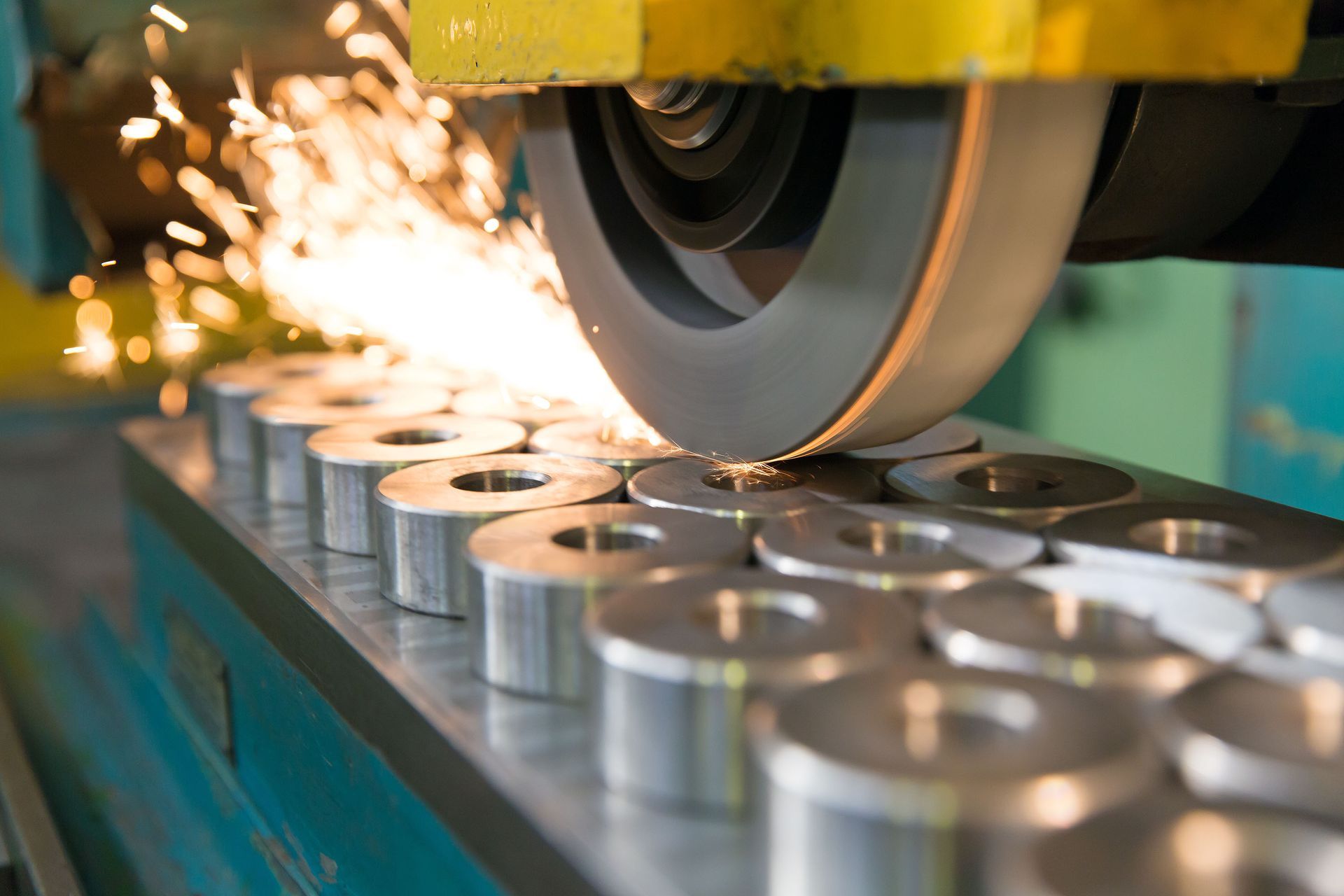
The development of advanced mechanical equipment brought remarkable precision to metal workshops everywhere. Heavy mechanical presses, power shears, and lathes allowed operators to make identical cuts and forms repeatedly. These mechanical advancements took away much of the intense physical labor while increasing total production output.
With stronger machinery available, workshops could easily work with heavy materials like structural steel and dense aluminum sheets. Builders used these fabricated components to construct sturdy bridges, tall buildings, and transport systems. Precise mechanical tools allowed custom designs to move from early ideas to finished products with impressive accuracy and speed.
Understanding Modern Shaping Techniques
Today, high-precision metal fabrication allows shops to create complex parts with incredible accuracy, speed, and efficiency. Workshops combine experienced craftsmanship with advanced equipment to deliver high-quality products for diverse applications. From custom architectural pieces to heavy commercial components, current techniques handle projects of any scale effortlessly.
Working with a professional shop gives clients direct access to machinery that ensures clean edges, exact bends, and strong structural joints. Professional fabricators work closely with customers to bring unique ideas to reality, ensuring every component meets exact project specifications from start to finish.
Cutting and Bending Sheets
Accurate cutting forms the base of metal fabrication, giving fabricators clean edges to build upon. Shops utilize advanced laser cutting and plasma cutting tools to slice through metal sheets with high speed and exceptional detail. Laser cutting produces remarkably smooth edges that require minimal finishing work, saving valuable time during final assembly.
Once raw sheets are cut to exact sizes, heavy press brake machines bend the metal into precise angles and shapes. Skilled operators set accurate measurements into press brake machinery to ensure every bend matches design plans perfectly. Combining precision cutting with expert bending transforms flat metal sheets into useful multi-dimensional components.
Joining and Finishing Components
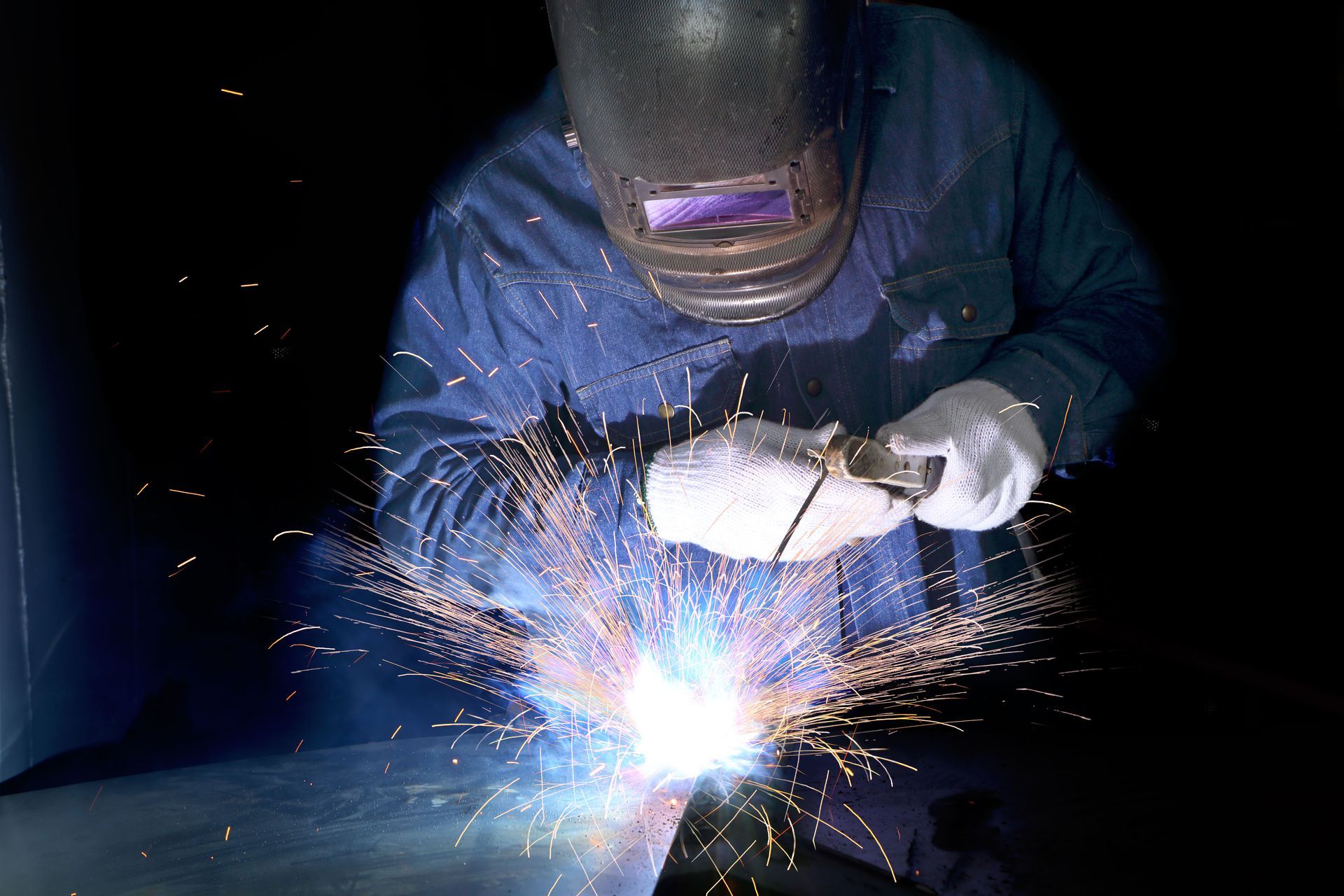
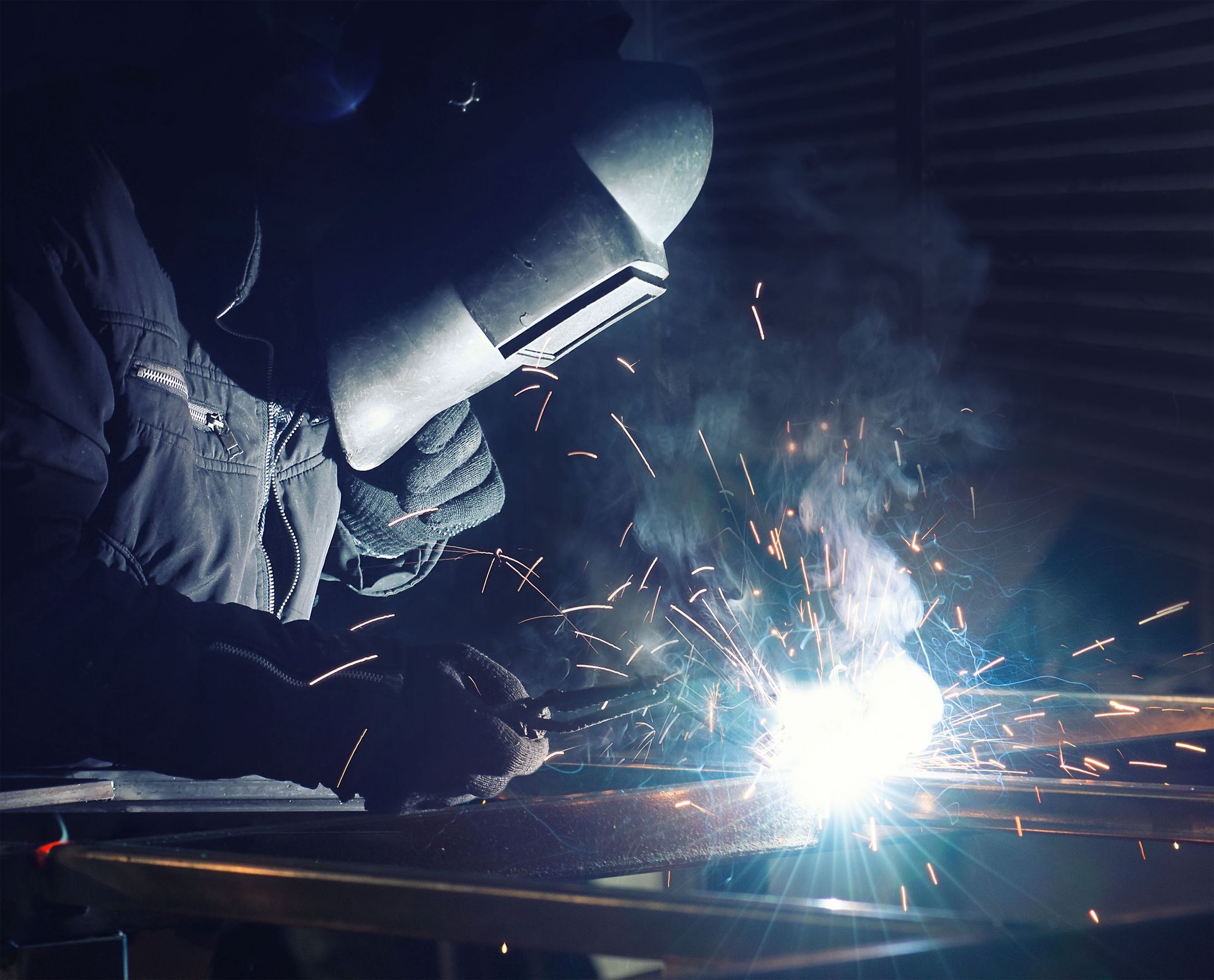
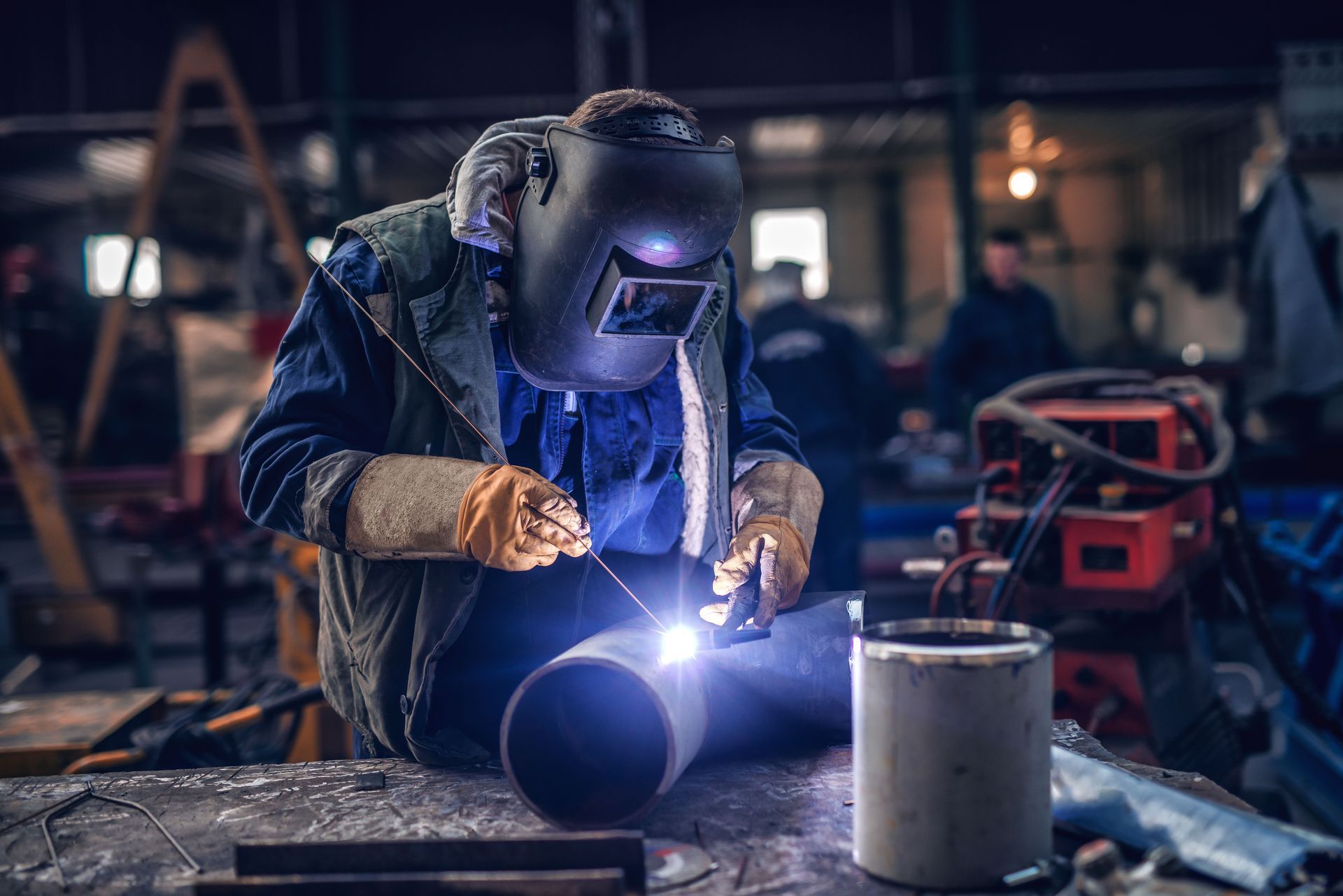
After individual parts are cut and shaped, skilled welders join the pieces together to form strong, unified structures. Advanced welding techniques ensure that every joint stays secure under intense daily use. Whether applying arc welding methods or gas shield welding, experienced fabricators choose the correct welding technique for each specific material.
Following assembly, surface finishing processes provide a clean appearance and extra protection against environmental wear. Applying powder coating creates a durable finish that resists rust and surface scratches, helping final products look great and perform well over time. Careful finishing ensures that every completed job meets strict visual and physical standards.
When you need reliable metal fabrication for your project, having an experienced team makes all the difference in achieving the right results. Jackson Specialties offers full-service solutions designed to bring your project concepts to life with exceptional care and precision. Our skilled team handles everything from custom sheet metal cutting and forming to welding, powder coating, and complete product assembly.
We take pride in delivering practical solutions tailored specifically to your unique project requirements. Whether you require a single prototype or a large production run of custom components, Jackson Specialties delivers accurate results on every order. Our dedicated staff works diligently to ensure your finished parts perform reliably.
Our dedicated team is prepared to answer your questions, review your specifications, and guide you through every stage of the manufacturing process. If you are ready to begin your next custom project, contact Jackson Specialties today to discuss your plans and learn how we can bring your vision to life.